
Your Clinical Teams Have The Expertise. Mark Helps Build The Culture To Sustain It.
For hospitals, health systems, and medical associations that want to build healthy, confident, and connected teams.
Trusted By Respected Organizations





“Mark quickly built trust and rapport with our team, as though he had been working with us for years. we highly recommend him as a facilitator.”
— College of American Pathologists
About Mark
-
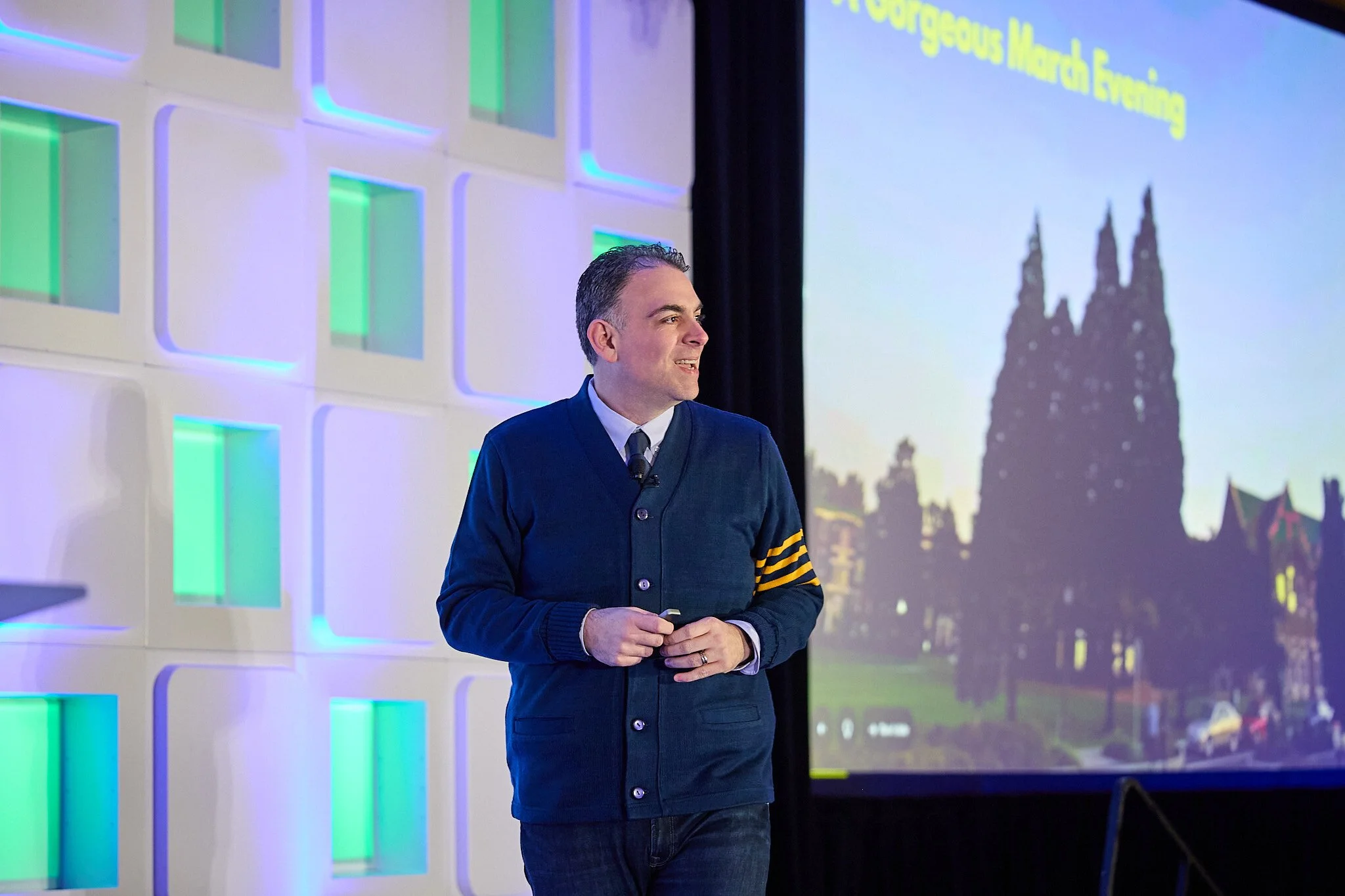
A former communication executive who led award-winning teams and strategy for global brands like Microsoft, Adobe, and Amazon, and who has naturally lost and kept off 150 pounds over 15 years, Mark Mohammadpour combines Fortune 50 leadership experience with certified health coaching expertise.
-
Mark has worked with clinical leaders, hospital executives, pharmaceutical teams, and medical associations, and he understands that healthcare environments move too fast for vague inspiration. His sessions are built around concrete frameworks that clinical and administrative leaders can integrate into the real cadence of their work: during team huddles, in one-on-ones, and across organizational transitions.
-
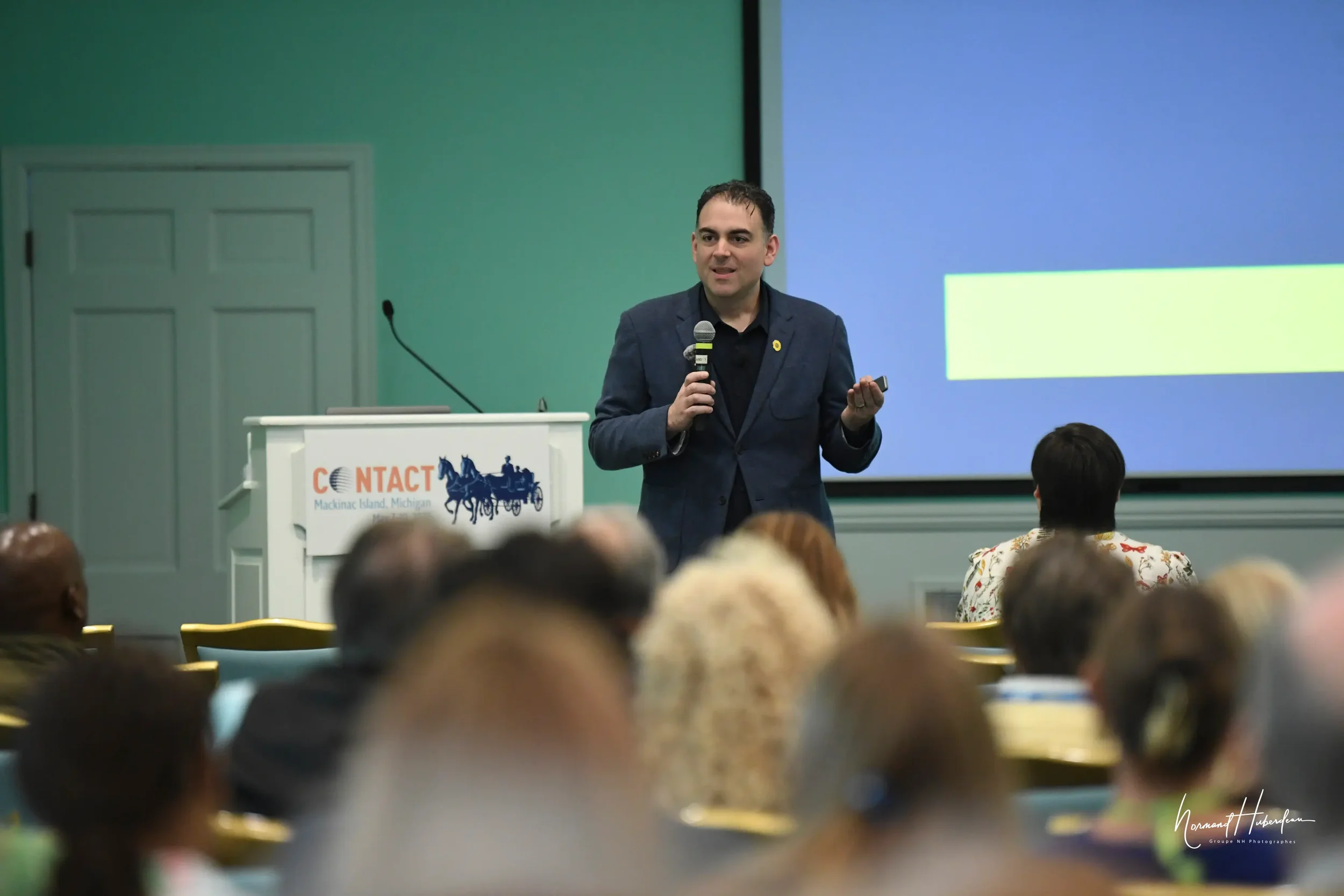
His keynote conversations blend full attendee engagement, actionable insights, and current research. Today, his most requested topics, Leading with Empathy, The Buoyant Leader, and Lead a Culture of Well-being, are built around one belief: healthy employees are your greatest competitive advantage.
Who We Help
-
The Goal: Reduce burnout and stabilize nursing/staffing levels.
The Result: Better patient outcomes and lower costs.
-
The Goal: High-performance leadership during launches and regulatory shifts.
The Result: Cross-functional alignment and reduced turnover of top talent.
-
The Goal: Providing high-value, "sticky" leadership tools for your members.
The Result: Increased member engagement and "must-see" conference programming.
What We Address
-
Clinical and administrative teams running on vapor, with nowhere to recover.
-
Leaders who can’t ask for help without worrying it’ll be read as weakness.
-
A culture that celebrates heroism and quietly expects sacrifice.
The CHASE Model™: Create A Culture Operating System
We ensure your cultural shift is permanent. By integrating The CHASE Model™ into your daily workflow, you create a sustainable ‘Culture OS’ that drives retention and performance. This is where your investment pays off—with a team that is not just healthier, but significantly more productive and connected to your mission.
-
We begin by looking past the symptoms of burnout and turnover to identify the underlying friction. Using data-driven insights and team pulse surveys, we pinpoint the specific communication gaps and well-being hurdles that are currently preventing your business from "soaring." We don't just address the "what"; we uncover the "why."
Using The CHASE Model™, Mark shows how managers and directors can rebuild their leadership approach around capacity rather than compliance, and why the back-office culture is the product your guests experience at the front desk.
Through research, real stories, and interactive moments, your leaders leave with a practical playbook for building a team that shows up consistently and stays.
-
In every high-performing organization, your employees are the heroes of the story. We focus on the human beings behind the titles; the people driving your innovation and serving your clients. By shifting the perspective to see every team member as a vital contributor to a healthy culture, we foster the "Buoyant Leadership" mindset required to navigate high-pressure corporate environments.
-
This is where the Keynote Conversation or Offsite Experience takes center stage. We move beyond “passive listening” into “active participation.” Through live simulations, real-time polling, and empathy-based training, your team practices the exact communication and well-being skills they need to implement the very next day.
-
Change only sticks when it’s integrated into the workflow. We co-create a written Team Charter and deploy the Team Culture OS™—a customized leadership operating system designed to fit into your existing daily routines. This isn’t a one-and-done event; it’s the blueprint for how your team will communicate, collaborate, and support one another moving forward.
-
What gets measured gets managed. We close the loop with a 30/60/90-day accountability plan and post-event "Health Checks." By tracking attendee engagement metrics and following up on specific culture-growth milestones, we ensure your investment yields a tangible return—both in team morale and the bottom-line performance of your "wealthy team."
Keynote Conversation Topics
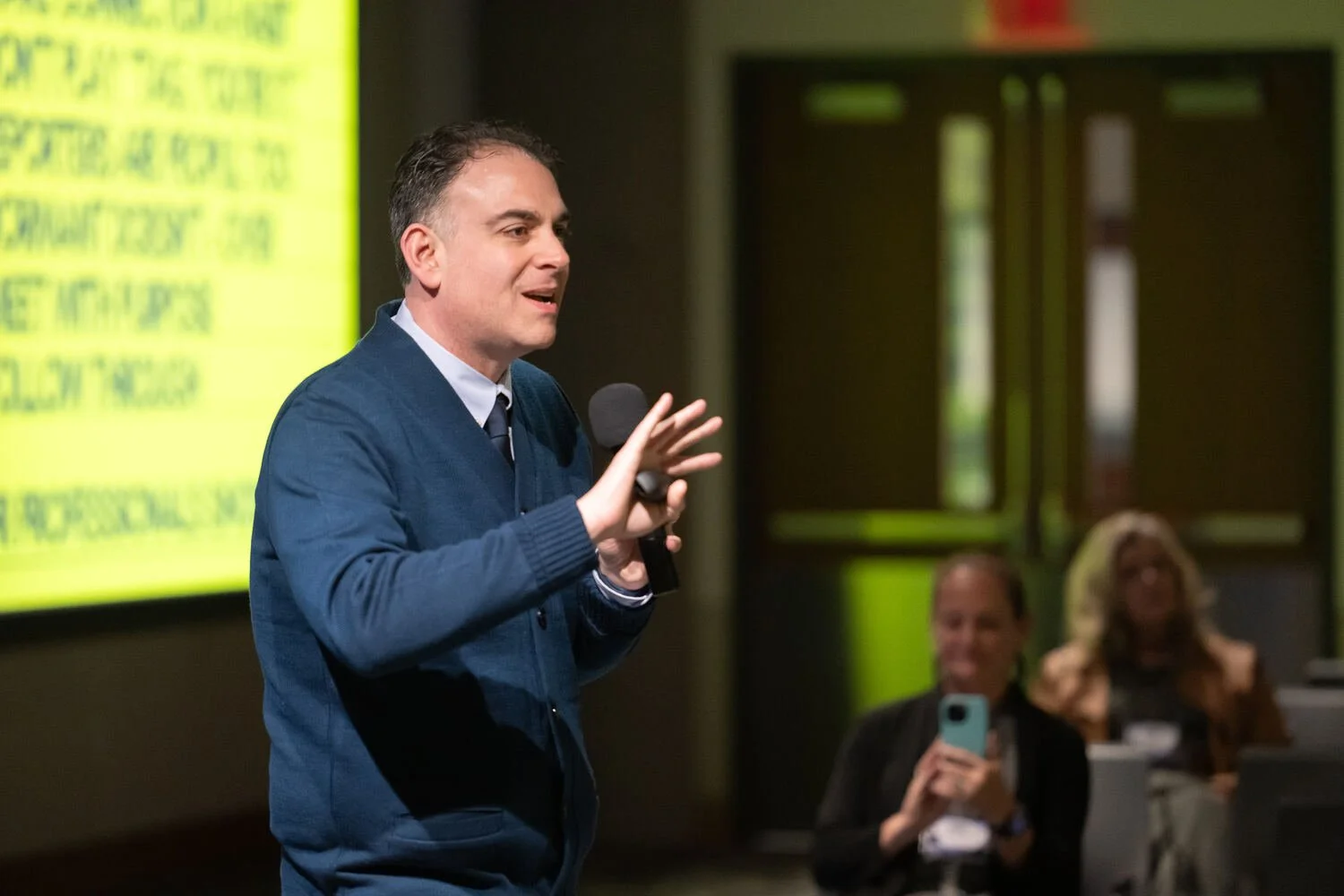
Lead A Healthy Culture Of Well-Being
How the Best Healthcare Organizations Make Well-Being the Way They Work. Healthcare organizations spend millions on patient well-being, but the ones with the lowest turnover have realized a simpler truth: you can’t pour from an empty pitcher. Staff well-being is patient care.
-
This session shifts the focus from “Wellness Programs” to Leadership Redesign. Mark demonstrates how daily decisions, such as debriefing after a difficult shift or onboarding a new nurse, can either protect or erode the team’s well-being. When staff feel safe and supported, patients feel the difference.
-
52% of employees feel unsupported by their employers; in healthcare, this gap creates a patient safety crisis.
-
Well-being will be reimaged as a core clinical strategy, not an HR initiative.
Leaders will recognize how daily choices compound into the culture that staff stay in or leave.
Psychological safety and connection will be treated as measurable, essential outcomes.
The CHASE Model™ will be adapted for shift handoffs and safety debriefs.
Leaders leave with a repeatable framework to immediately track and sustain team well-being.
Leading With Empathy
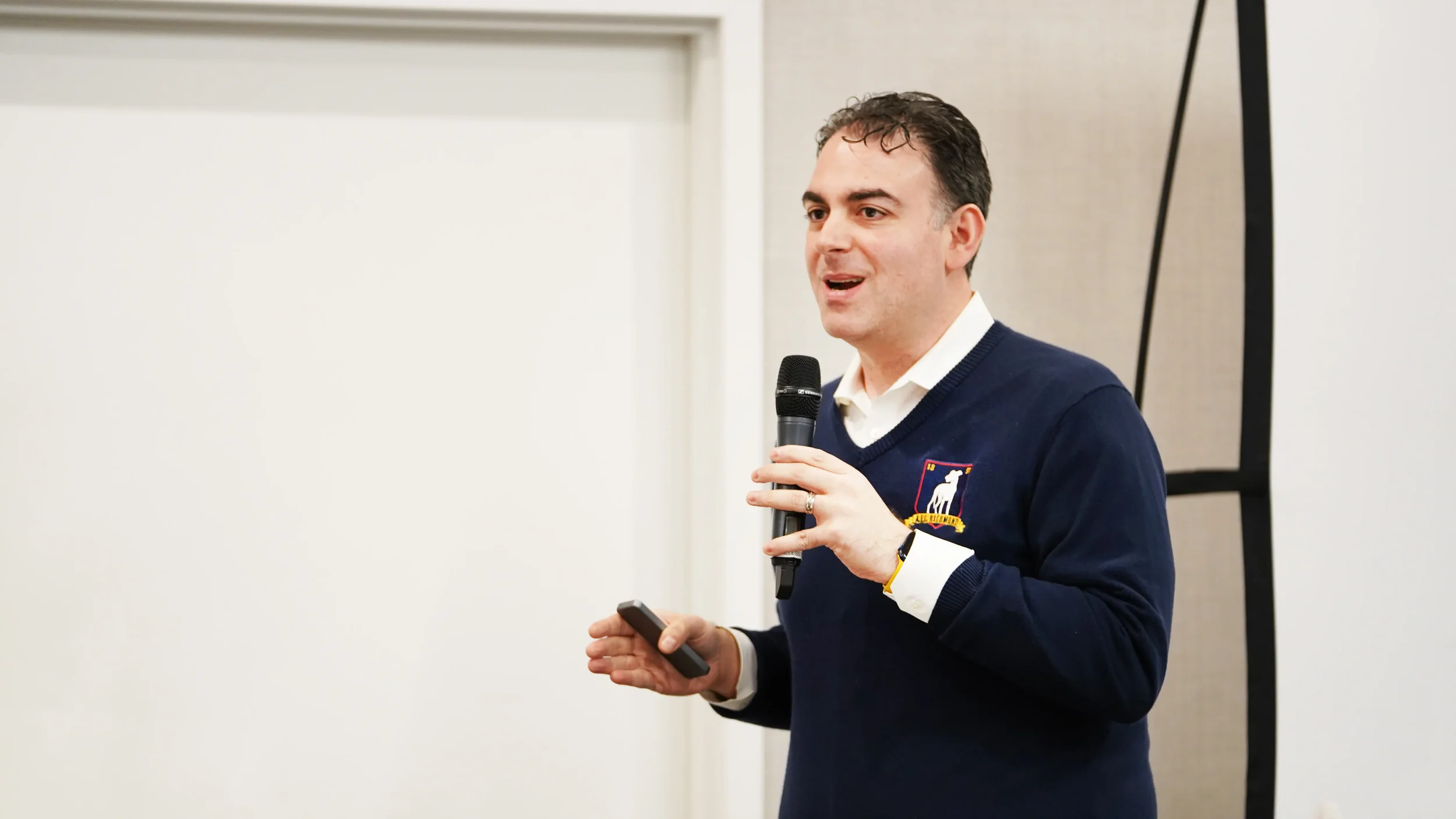
Trust is the New Productivity Inside the Care Team. In healthcare, empathy with patients is non-negotiable, but empathy within the care team is where the culture either holds together or quietly fractures.
-
Mark transforms empathy into an interdisciplinary leadership skill. By understanding what colleagues are carrying, leaders improve communication, reduce conflict, and build the trust required for a clinical team to function under high pressure.
-
Empathetic leadership makes teams 5x more likely to stay, a critical advantage during staffing shortages.
-
Leaders will understand cognitive empathy as the “connective tissue” of clinical teams.
Perspective-taking will be used to strengthen relationships between nursing, administration, and clinicians.
Trust will be redefined and utilized as a patient safety tool.
Empathy skills will be applied to family conversations and interdisciplinary conflict.
Leaders leave with tools to reduce friction across the care team starting that same shift.
The Buoyant Leader: Healthy Under Pressure
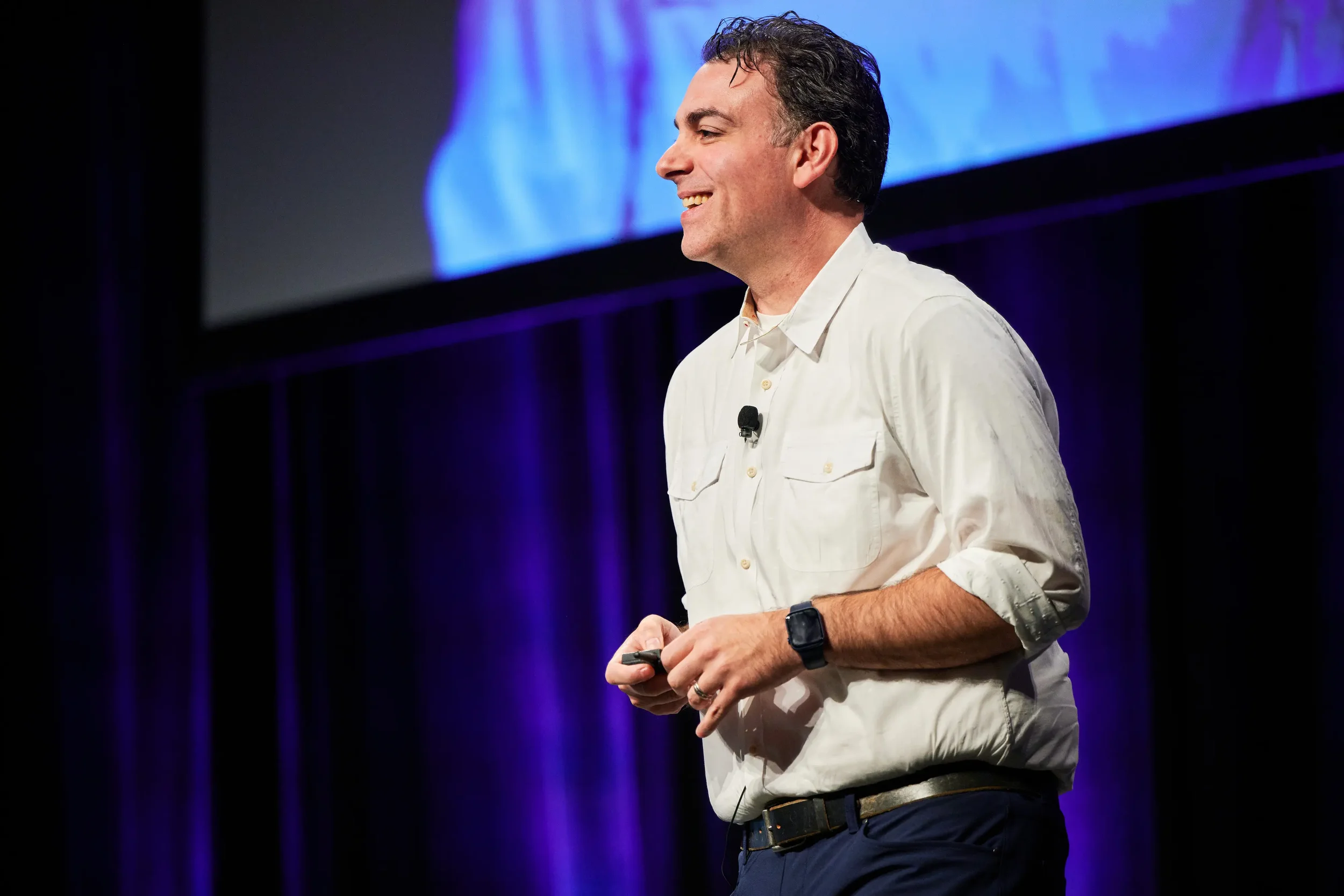
Why the Most Grounded Healthcare Leaders Soar. Healthcare leaders don’t need to be told the pressure is real; they need to be shown how to lead inside it without burning out or taking their teams down with them.
-
This keynote reframes resilience not as “toughness” but as a deliberate practice grounded in neuroscience. Leaders learn why “calm” is the new credibility and how their own well-being is the invisible infrastructure the entire team depends on.
-
57% of leaders say stress impacts their ability to lead; when leadership falters under pressure, patient care suffers.
-
Resilience will be built as a daily leadership practice across all clinical levels.
Leaders will learn to use stress as a signal to make clearer clinical decisions.
“Calm” will be utilized as a leadership advantage to improve patient outcomes.
Steady leadership will be seen as a team strategy to reduce medical errors.
Attendees leave with specific tools to protect their capacity under the sustained demands of healthcare.
REWORK: The Future-Ready Leader
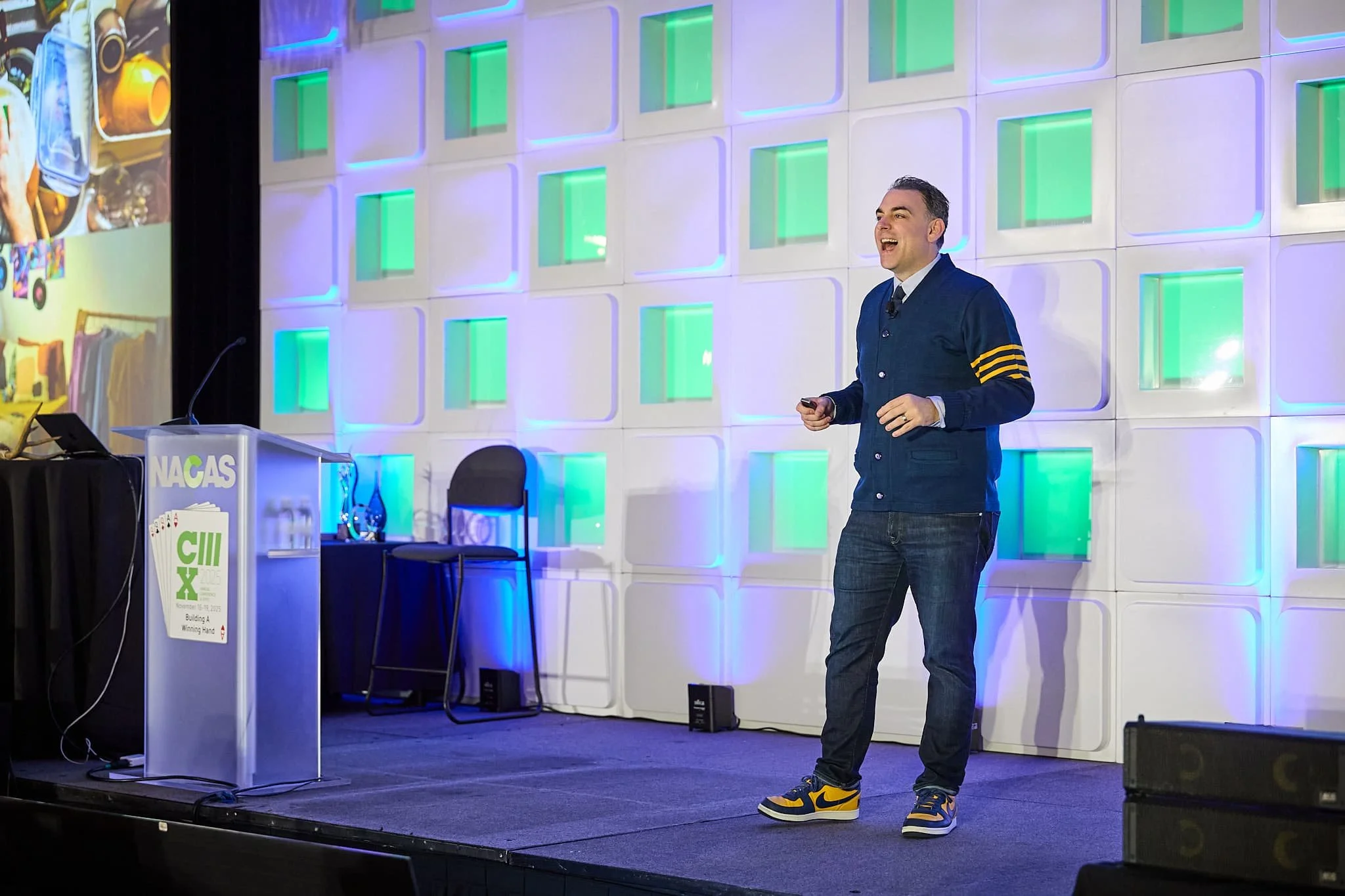
The Playbook for Healthy, High-Trust Leadership in Healthcare. Healthcare leaders are managing record burnout and staffing shortfalls while being told to “do more with less.” The old playbook isn’t just outdated, it’s accelerating the turnover you can’t afford.
-
This session moves leadership from “pressure-cooker management” to capacity building. Leaders discover that protecting team energy isn’t a luxury; it is a patient safety strategy. Using The CHASE Model™, Mark shows how clinical and administrative leaders can rebuild trust and ensure staff are energized enough to provide high-quality care.
-
Only 23% of employees are engaged; in healthcare, disengagement is a clinical and financial risk you can measure.
-
Leaders will evaluate effectiveness through team energy and connection, not just clinical metrics.
Attendees will apply The CHASE Model™ to onboarding new clinicians and running effective huddles.
The culture will shift from a “values poster” to a high-performance operating system.
Administrators will treat capacity protection as an essential act of clinical leadership.
Teams will leave with a shared framework to show up fully for patients and each other.
Work In Sunlight
Rekindling Belonging and Purpose in Healthcare. Healthcare workers chose this career to make a difference, but purpose gets lost in the documentation burden and emotional weight of the job. Rekindling it is a leadership responsibility.
-
This interactive session helps teams at every level reconnect to their mission and to each other. Mark shows that belonging is built deliberately through daily habits and recognition that makes staff feel seen as people, not just roles.
-
Belonging makes staff 50% less likely to leave; for an organization, this is a financial strategy to avoid massive nurse replacement costs.
-
Purpose will be rediscovered as a daily leadership practice, not something staff must sustain alone.
Belonging will be established as a primary driver of staff retention and patient satisfaction.
Team motivation will be reimagined as a collective effort rather than individual willpower.
Leaders will build Daily Sunlight Habits to maintain connection across shift work.
Every team leaves with a Sunlight Map™ to sustain energy through clinical demands.
Upgrade To The Three-Point Impact
Most keynotes are forgotten by Monday. The Three-Point Impact makes sure yours isn’t. A keynote + facilitated team session + follow-up coaching, so your people remember, apply, and repeat what they learned.
Let’s Help The People Caring For Everyone Remember How to Care For Themselves.
Click on the button below or email Mark at mark@chasingthesunpdx.com, and we’ll respond within 1 business day.
Frequently Asked Questions
How can hospitals address employee health beyond traditional wellness programs?
1
Addressing employee health in healthcare requires shifting the focus from individual “resilience training” to systemic support. Mark Mohammadpour helps hospital leadership move beyond surface-level wellness by implementing a Trust & Clarity Reset. By aligning administrative goals with clinical realities and fostering psychological safety, organizations can reduce the Compassion Fatigue that drives clinicians toward early retirement or agency work.
What is the correlation between healthcare staff well-being and patient safety?
2
There is a direct, data-driven link between staff health and patient outcomes. When healthcare teams are burnt out, clinical errors increase, and Patient Satisfaction scores decline. Mark Mohammadpour’s framework treats “Culture” as a clinical safety tool; by stabilizing the frontline and improving team cohesion, healthcare systems see a measurable improvement in patient care quality and overall hospital reputation.
How do you move from a "one-and-done" healthcare keynote to sustainable culture change?
3
To overcome the “Forgetting Curve,” leadership training must include a 3-Point Impact Framework. Mark Mohammadpour’s approach moves from a traditional one-time keynote to Evidence-Based Implementation, where staff co-create a Team Charter. This ensures that leadership and well-being strategies are integrated into the daily cadence of the nursing unit or department, leading to sustained behavioral change rather than a temporary morale boost.
Why should medical associations prioritize well-being in their conference programming?
4
Medical associations provide value by addressing the human capital crisis facing their members. By featuring a speaker who focuses on Staffing Stability and Strategic Leadership, associations offer “sticky” content that addresses the industry’s #1 problem: employee well-being. This positions the association as a vital partner in its members’ professional success and helps build long-term member loyalty and event ROI.