

Your Leaders Are Brilliant On Their Own. Help Them Win Together.
Mark Mohammadpour sits with your team and names what’s been going unsaid, the friction nobody will put on the table, and guides the room to a decision everyone can get behind.
No personality colors or tests. Just real conversation and actions.
“Mark brought an authentic, energizing message that truly resonated with our team during a time of change. The impact was clear in how connected, motivated, and aligned our team felt afterward.”
— Katie Davidson, DraftKings Inc.
Trusted By










You want your team to excel.
The meetings stay polite. The decisions come slow. The one real issue hasn’t been said out loud in months, and everyone’s working around it.
That’s not a people problem. It’s what happens when a team can’t say the hard thing to itself.
You can’t fix it from inside the team. You need someone neutral, who can hear what’s not being said, ask the question no one will, and keep the room safe while it gets answered.
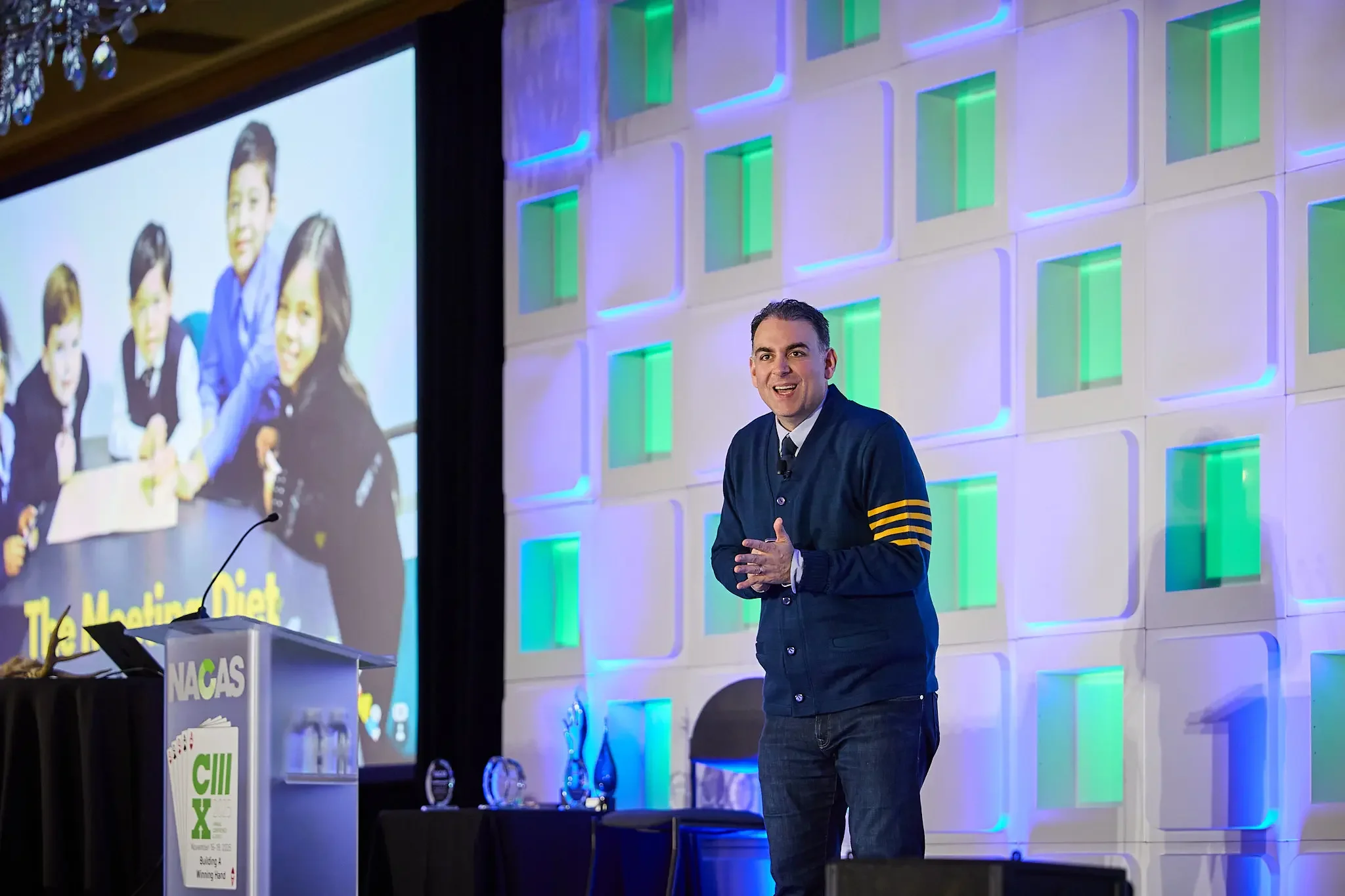
Zero fluff. Full impact.
Neutral, always. Mark works for the outcome, not the loudest voice in the room. Every voice gets heard, not just the senior ones.
Safe enough to be honest. People say the real thing only when it’s safe to. Mark builds that room, where hard truths land as progress, not as attacks.
Whole-team, whole-person. Every session holds three things at once: how people are doing, how the team works together, and what the business needs.
You leave with a plan. Not a feeling. A written plan, with decisions, owners, and dates.
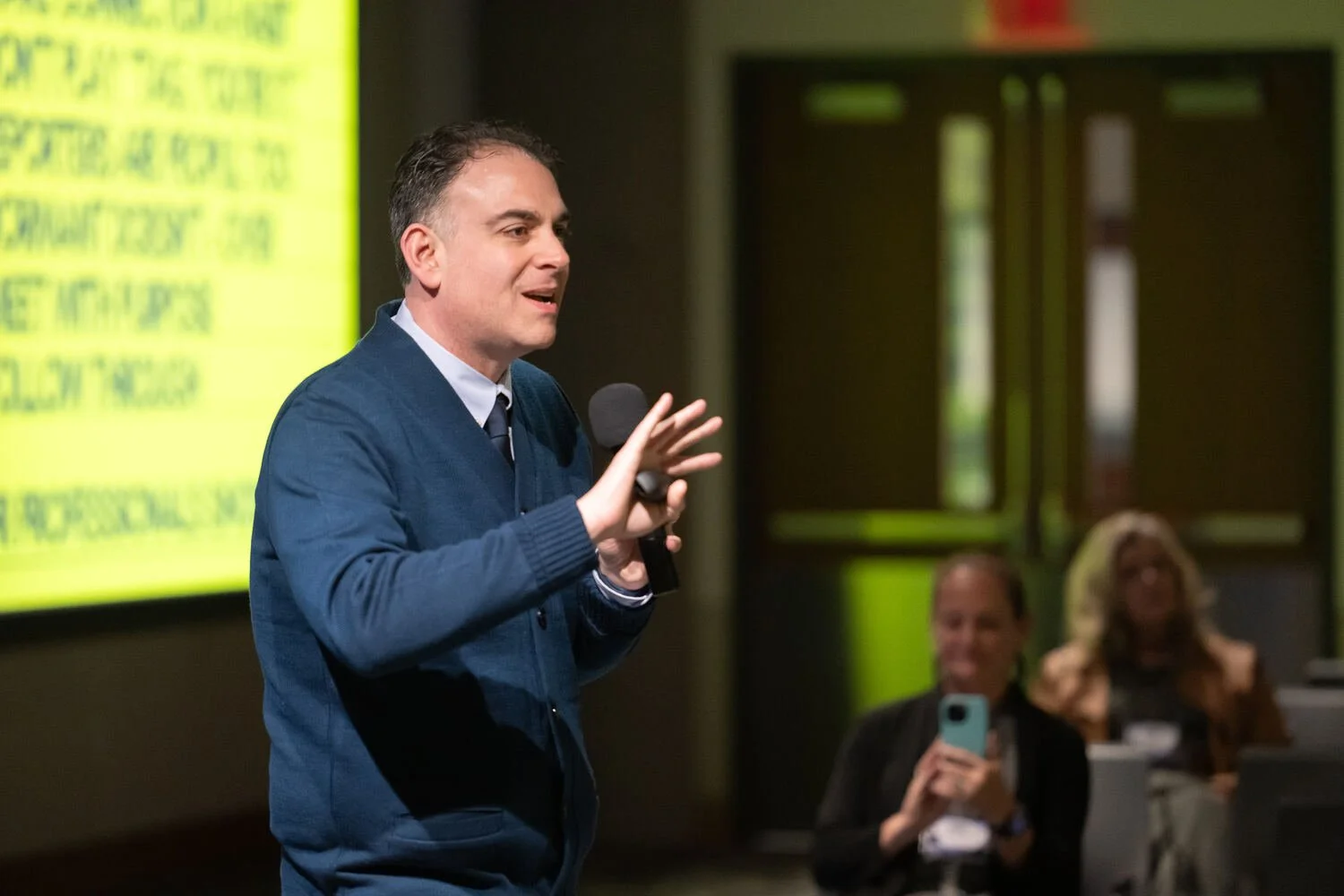
What a facilitated session looks like.
Discovery call. 45 minutes. No deck, just questions, so Mark maps the real problem before he builds anything.
Pre-work. An anonymous team pulse. Mark builds the session from what your team actually says, not what you assume.
The session. Half-day or full-day, in person or virtual. Real conversation, guided exercises, and a written plan your team leaves the room with.
Follow-up. A 30-day check-in. A one-day session is a start, not a finish line.
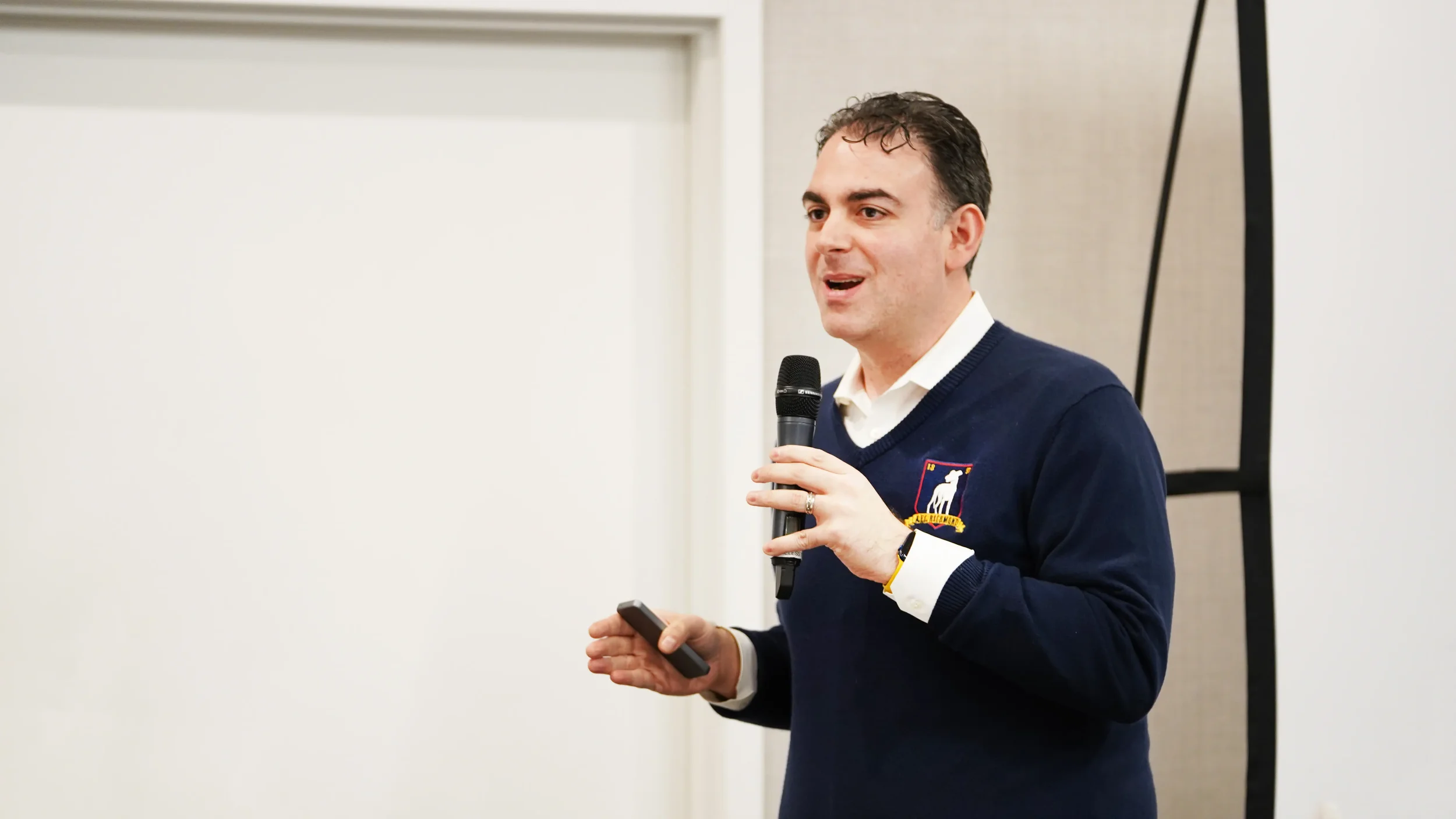
What the team walks out with.
Clarity. A shared read on the real problem, not the polite version.
Ownership. Who’s doing what, and by when.
A rhythm. A way of talking that doesn’t fall apart three weeks later.
Trust. The kind you can see in how the team keeps talking after Mark leaves.
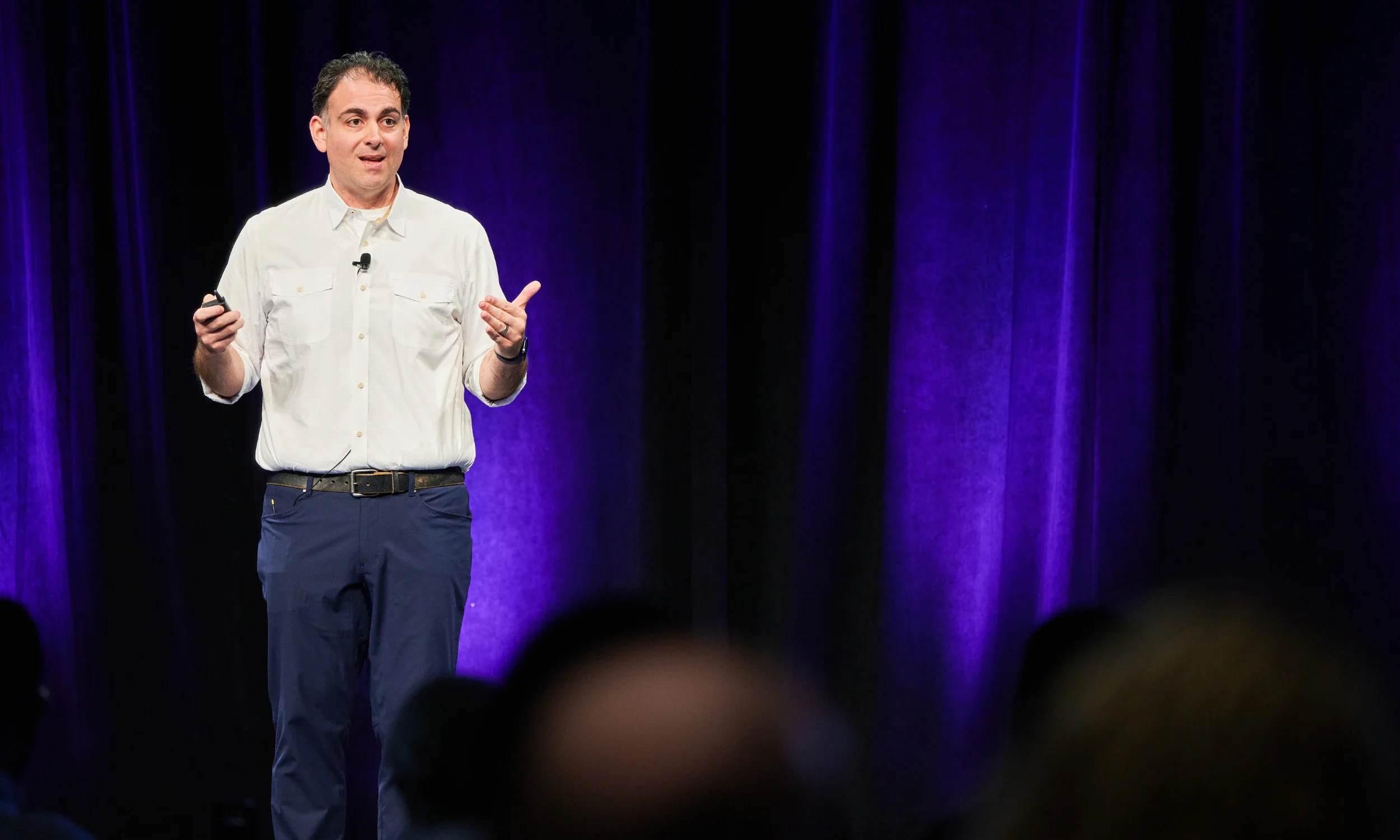
Offsites that actually work. No trust falls.
Most offsites end with a nice dinner and a plan that’s forgotten by Wednesday. Mark’s end with a plan your team wants to run, and the trust to run it.
An offsite is facilitation with room to breathe. Same neutral guide, same real conversation, just more time, away from the day-to-day.
Three ways in:
Half-day reset. One big question, one clear plan.
Full-day friction-solve. For cross-functional teams working through a real sticking point.
Two-day inflection point. For executive teams facing new strategy, new structure, new stakes.
Every offsite is built around your team’s real challenges, facilitated by Mark, never handed to a junior associate.
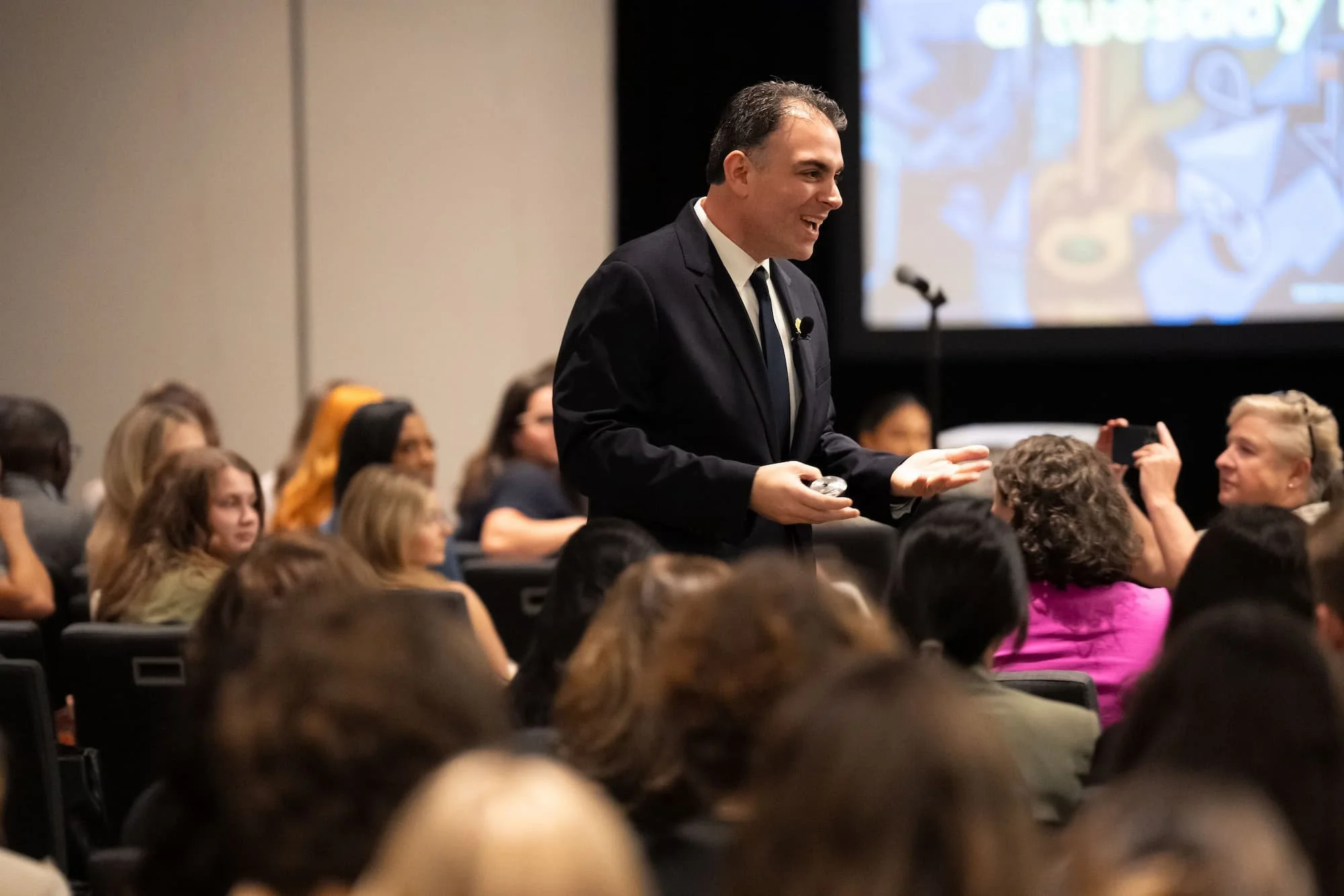
“Mark quickly built trust and rapport with our team, as though he had been working with us for years. we highly recommend him as a facilitator.”
— College of American Pathologists
Book a session with Mark
Click the button below or Email Mark at mark@chasingthesunpdx.com, and we’ll respond within 1 business day.
Frequently asked questions
What is an executive team facilitator?
1
An executive team facilitator is a neutral, expert guide who helps leadership teams navigate complex challenges, resolve conflict, and achieve alignment. Unlike a consultant who tells you what to do, a facilitator designs the process that allows the team’s collective genius to solve the problem.
When should a company hire a professional facilitator?
2
Companies hire a facilitator when facing strategic pivots, leadership transitions, deep-seated team conflicts, or when planning a high-stakes leadership offsite.
What is the ROI of professional team facilitation?
3
The primary ROI of team facilitation is increased talent retention and accelerated decision-making.
Why hire an external facilitator instead of using an internal resource?
4
An internal leader or HR professional, no matter how skilled, has existing relationships, biases, and reporting structures that often prevent an executive team from being completely honest. An external, professional facilitator brings absolute neutrality to the room. This ensures that the most difficult conflicts can be addressed and resolved safely, without the fear of internal office politics or retaliation.